John S Dunn Endowed Professor, Biomedical Engineering
Chief Ambassador

Professor, Department of Electrical Engineering

Associate Professor of Bioengineering
Researcher
CEO

Professor and Clifford Chair in Neural Engineering;
Department of Biomedical Engineering
Professor and Clifford Chair in Neural Engineering;
Department of Biomedical Engineering
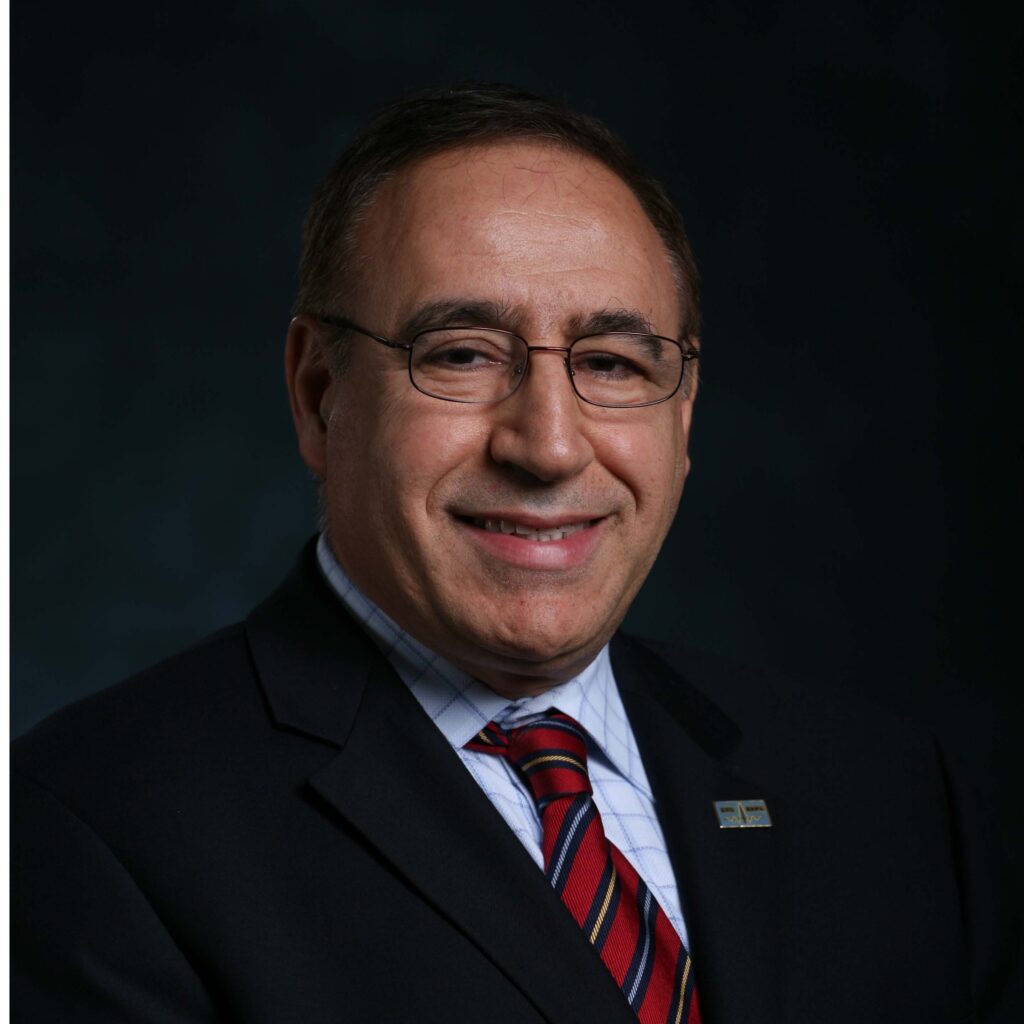
Dr. Akay is the John S Dunn Endowed Professor of the Biomedical Engineering Department at the University of Houston. His vision focused on integrating basic and translational research to address the rapidly evolving global healthcare landscape. He received honorary doctorates from Aalborg Silesian and Pécs Universities and professorship from the Technical University of Crete. He has authored more than 20 books and 170 journal papers, along with 200 conference papers and abstracts and delivered over 200 keynote, plenary and invited talks at highly respected international conferences, including IEEE ICASSP twice. He is a recipient of the IEEE EMBS Academic Career, Early Career and Service Awards, an IEEE Third Millennium Medal, and the prestigious Zworykin Award from the International Federation for Medical and Biological Engineering (IFMBE). He is a life fellow of IEEE, fellow of the Institute of Physics (IOP), the International Academy of Medical and Biological Engineering (IAMBE), the American Institute for Medical and Biological Engineering (AIMBE), and the American Association for the Advancement of Science (AAAS). His research focuses on neurotechnology for addiction and pain, novel therapeutics for treatment of cancer, and platform for the detection and treatment of coronary occlusions.
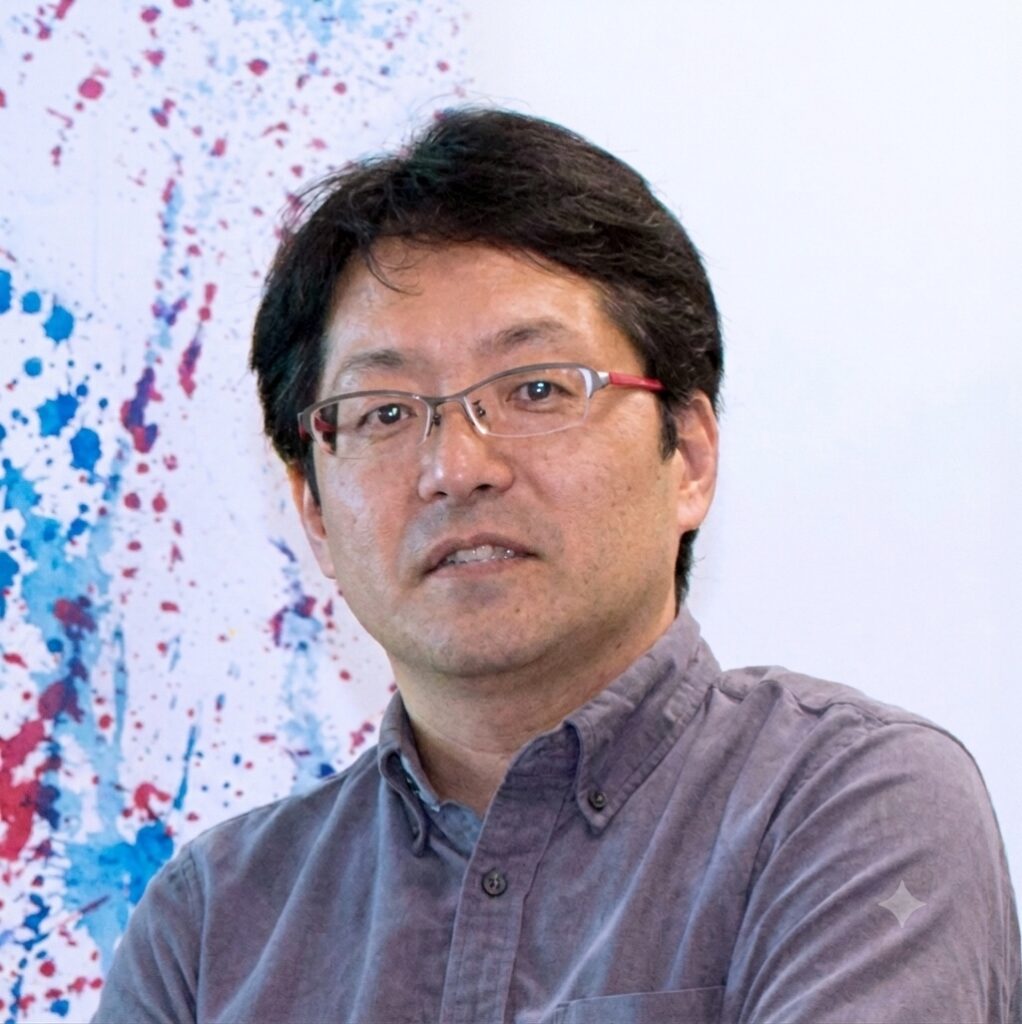
Dr. Rosa H. M. Chan is a Professor in the Department of Electrical Engineering at City University of Hong Kong and Associate Director of the Hong Kong Center for Cerebro-Cardiovascular Health Engineering. Her research interests include brain-computer interface, wearable computing, and human-computer interaction. She received a B. Eng. (1st Hon.) degree in Automation and Computer-Aided Engineering from The Chinese University of Hong Kong in 2003. Dr. Chan received her Ph.D. degree in Biomedical Engineering in 2011 from the University of Southern California, where she also earned her M.S. degrees in Biomedical Engineering, Electrical Engineering, and Aerospace Engineering. She was co-received the Outstanding Paper Award of IEEE Transactions on Neural Systems and Rehabilitation Engineering in 2013. Dr. Chan is Co-Chair of IEEE BHI 2026 and served as VP-Finance of IEEE EMBS (2024–2025). Currently, she is an associate editor for IEEE Transactions on Neural Systems and Rehabilitation Engineering and IEEE Reviews in Biomedical Engineering.
M. Chiappalone graduated summa cum laude in Electronic Engineering from the University of Genova (UNIGE) and obtained her PhD in Electronic Engineering and Computer Science from the same University in 2003. In 2002 she was a visiting scholar at Northwestern University (Chicago, USA). After a postdoctoral period at UNIGE, she joined the Istituto Italiano di Tecnologia (IIT) in 2007, where she became Researcher in 2013. She served as Visiting Professor at the University of Kansas in 2015. From 2012 to 2015 she coordinated the European FET Open project BrainBow, evaluated as excellent. In 2018 she joined the Rehab Technologies Lab at IIT, and in 2021 she became Associate Professor of Bioengineering at UNIGE. She has held several leadership roles within IEEE EMBS, including Distinguished Lecturer (2021–2022), AdCom member (2024), and currently she is VP for Technical Activities. She has authored 108 journal publications, over 80 conference papers and gave > 110 scientific talks.
Ivan Goh is the CEO of NUS Medtech spin-off QuantumTX. Driven by the ethos that “Good Business Drives Good Impact from Good Tech”, he has spent his career partnering Scientist and Clinicians to bring their life-changing technologies to market. Leveraging experiences in product development, manufacturing, regulatory / clinical affairs, investment / fundraising, business development and building teams, he leads the QuantumTX team towards their mission of creating a World with Zero Muscle Weakness!
Professor David B. Grayden is Clifford Chair of Neural Engineering in the Department of Biomedical Engineering, Faculty of Engineering & Information Technology and the Graeme Clark Institute for Biomedical Engineering. He is Co-Director of the Victorian Medtech Skills and Devices Hub and Director of the ARC Training Centre in Cognitive Computing for Medical Technologies. Prof Grayden’s main research interests are in understanding how the brain processes information, how best to present information to the brain using medical bionics, such as the bionic ear and bionic eye, and how to record information from the brain, such as for brain-machine interfaces. He is also conducting research in epileptic seizure prediction and electrical stimulation to prevent or stop epileptic seizures. Prof Grayden teaches BioDesign Innovation in collaboration with the Melbourne Business School, and he is Co-Director of Biodesign Australia.
Dr. Wenting Zhao is a faculty member in the School of Chemistry, Chemical Engineering, and Biotechnology at Nanyang Technological University (Singapore) and a Principal Investigator in the Institute of Digital Molecular Analytics and Science (IDMxS). She received her Ph.D. degree in Bioengineering from the Hong Kong University of Science and Technology and completed her postdoc training at Stanford University. Her research group aims to reveal the nanoscale interplay between membrane morphology and protein assembly using advanced nanofabrication and nanomaterials. Specific focuses of her studies include nanoscale topography-guided protein clustering and complex assembly, as well as their impacts on disease progression, such as cancer progression, viral replication, and immune activation.