Research Fellow, Centre for Cancer Biology
Associate Professor
Associate Professor
President
Research Fellow, Centre for Cancer Biology
Associate Professor
Director, Cardiovascular Ageing and Longevity
Assistant Professor

Founding Director
William and Sylvia Rubin Chair of Orthopaedic Research;
Professor, Orthopaedic Surgery and Biomedical Engineering
Assistant Professor
William and Sylvia Rubin Chair of Orthopaedic Research;
Professor, Orthopaedic Surgery and Biomedical Engineering
Associate Professor and Holder of the Cain Faculty Fellowship,
Department of Biomedical Engineering
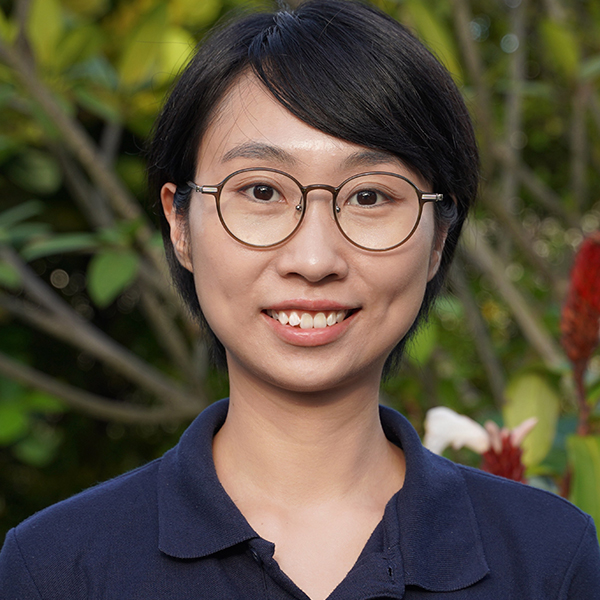
Assistant Professor
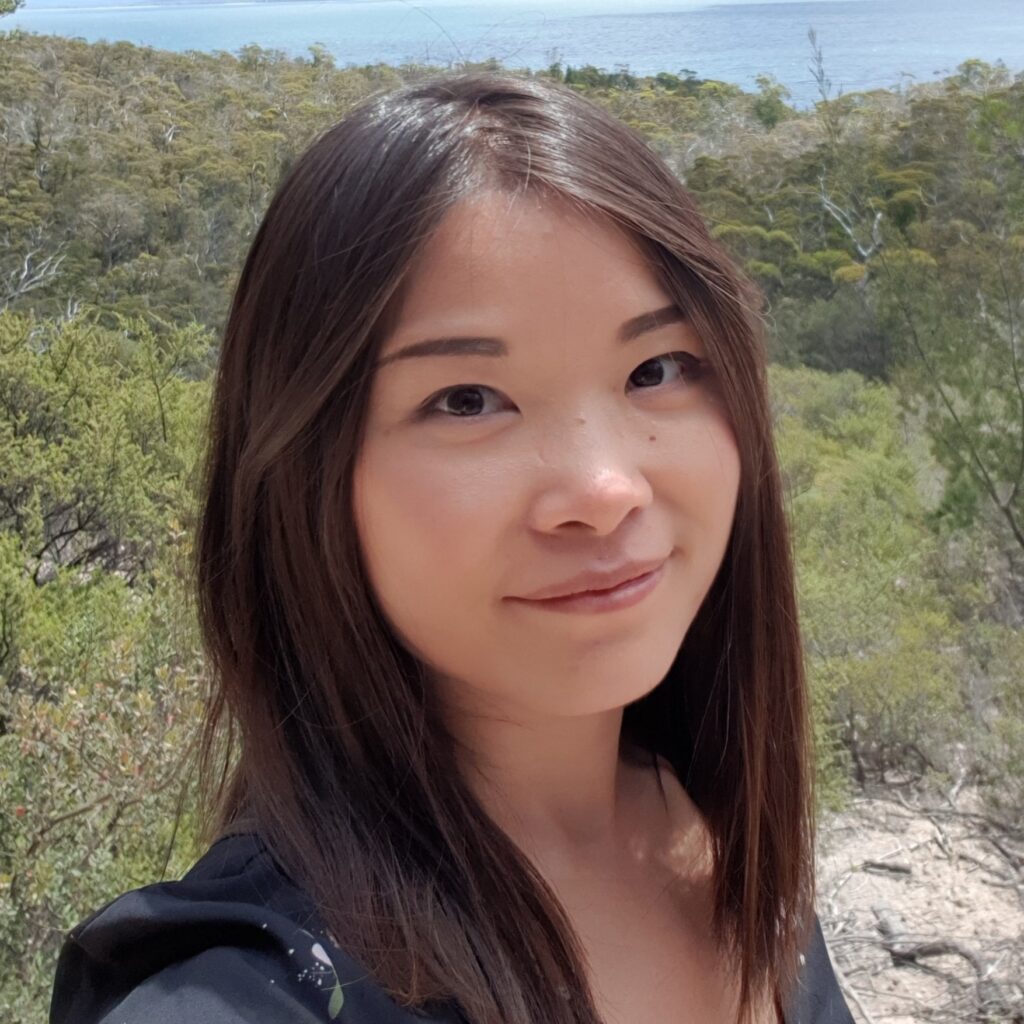
Snow Medical Postdoctoral
Research Fellow
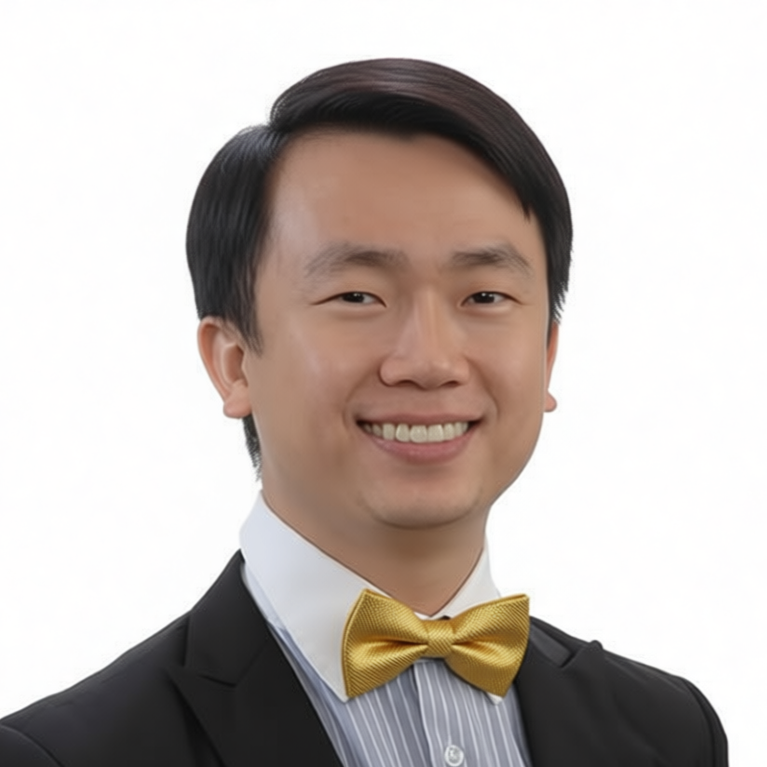
Dean’s Chair Professor
Assistant Professor
Founding Director
William and Sylvia Rubin Chair of Orthopaedic Research;
Professor, Orthopaedic Surgery and Biomedical Engineering
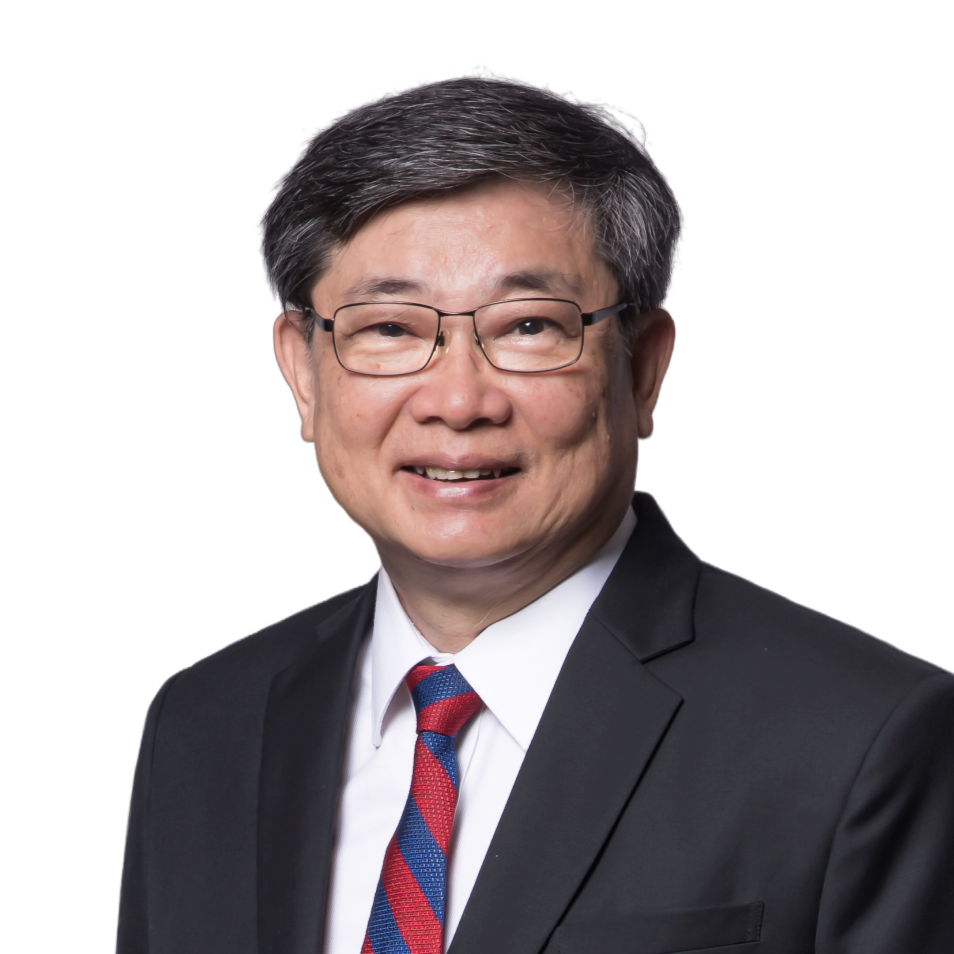
Distinguished Changjiang Chair Professor and Director, Centre for Advanced Medical Engineering
Snow Medical Postdoctoral
Research Fellow
Dean’s Chair Professor
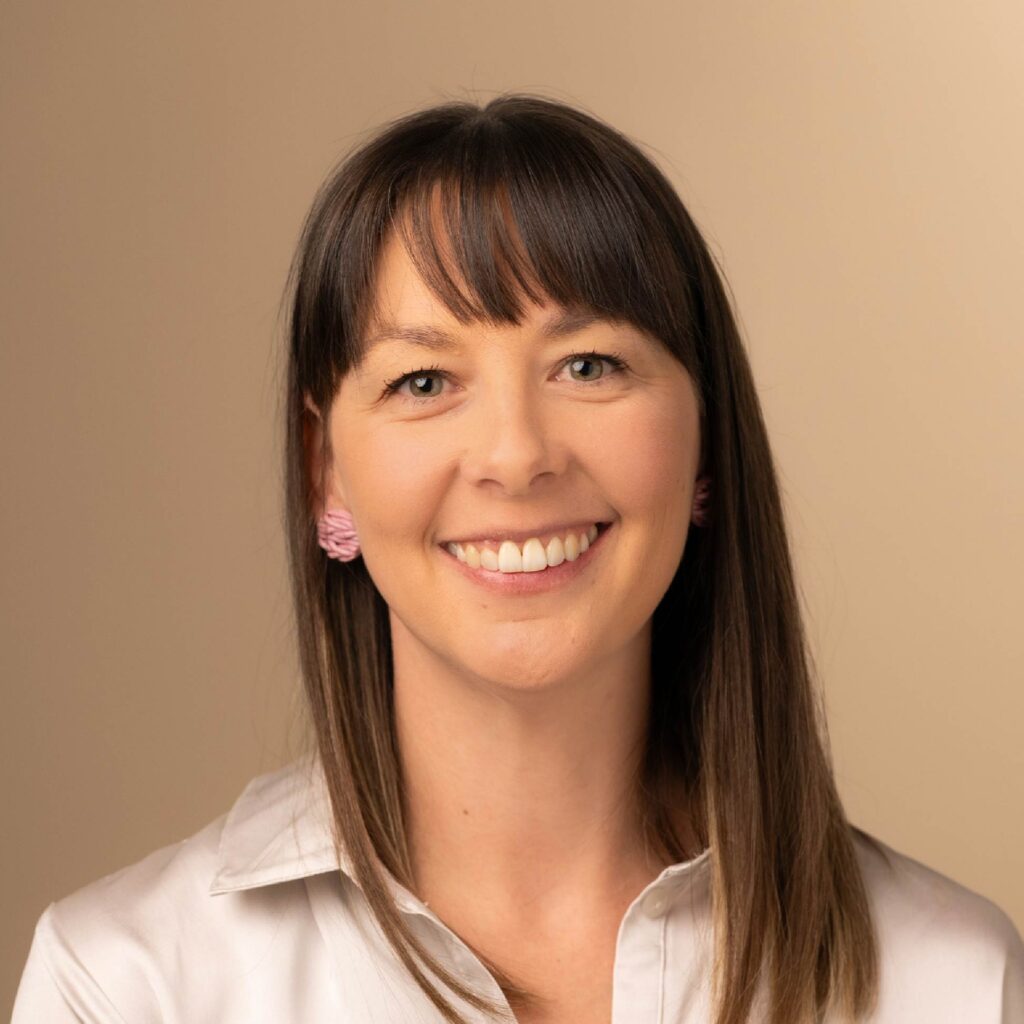
Dr. Sarah Boyle is an Australian Research Council DECRA Research Fellow at the Centre for Cancer Biology, Adelaide University, South Australia. Leading the Cancer Matrix and Mechanics Group in the Tumour Microenvironment Laboratory, Sarah’s research focusses on the mechanisms and interplay between mechanical force, mechanotransduction, and various aspects of the tumour microenvironment in progression and metastasis of breast and other cancers. She has established an emerging leadership profile in the fields of cell, cancer, and mechano biology, evidenced by publications in multi-disciplinary journals including Nature Cell Biology, Science Advances, Journal of Cell Science, Advanced Science, and Oncogene, and has previously held fellowships from the Royal Adelaide Hospital Research Committee and Australian Breast Cancer Research through The Hospital Research Foundation Group.
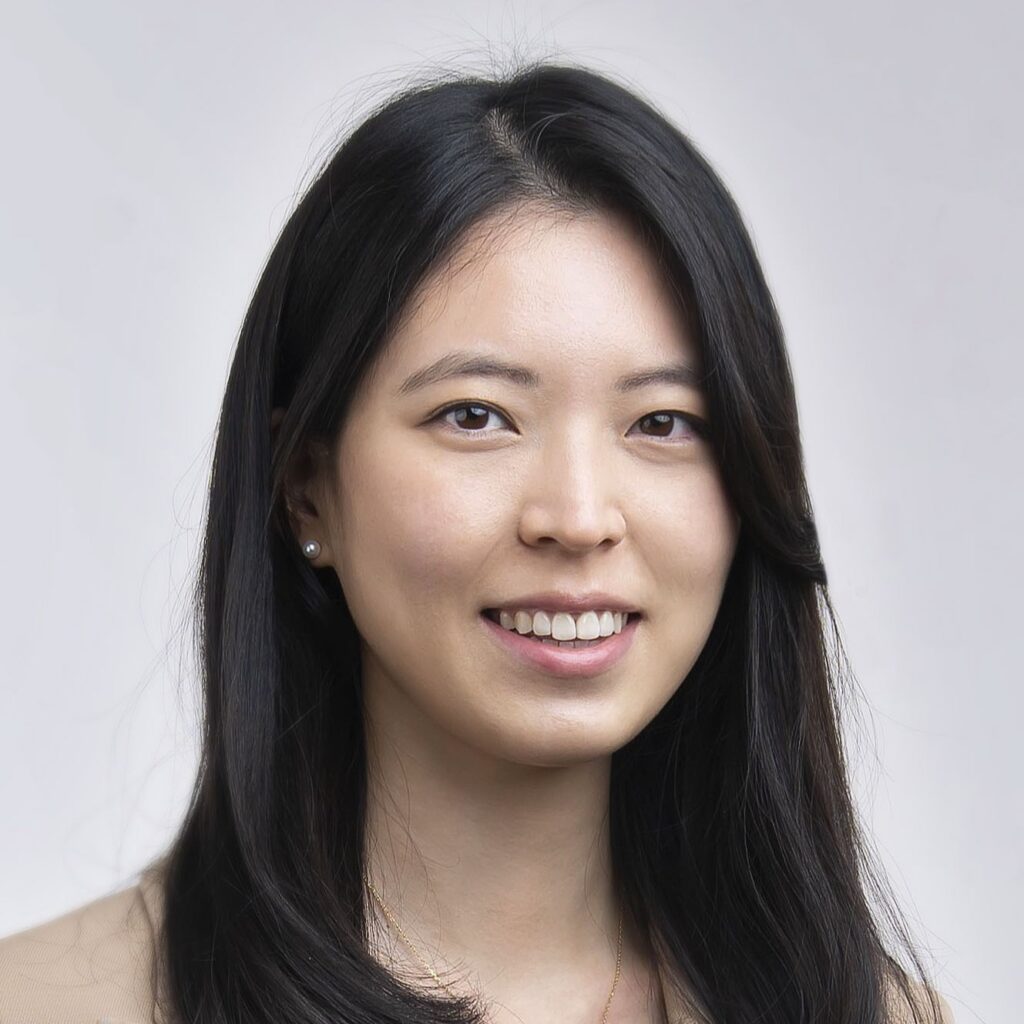
Amy Kyungwon Han is an Associate Professor of Mechanical Engineering at Seoul National University. She was a postdoctoral researcher at Stanford and received a Ph.D. and M.S. from Stanford and a B.S. from Georgia Tech. Her research includes soft actuators, sensors, medical robotics, haptics, and manipulation. Prof. Han’s awards include the MIT Technology Review Innovators Under 35 Asia Pacific, 50 Women in Robotics, Rising Star of RoboSoft, ICRA New Generation Star, APBEC Young Scholar Award, and Best RA-L Paper Award. She serves as associate vice president of Technical Activities Board and as co-chair of Technical Committee on Haptics within IEEE Robotics and Automation Society.
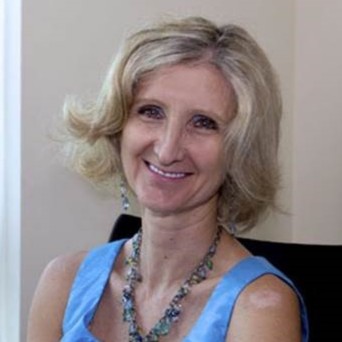
Professor Linda J. Kenney is the President of Mechanobiologics, Inc., Santa Fe, New Mexico, USA. She is also an Adjunct Professor at the National Dental Centre Singapore.
She is a global scientific leader in Microbiology, Biophysics and Mechanobiology with over 150 publications & multiple patents. A proven mentor and leader, she has trained 45+ PhDs and post-doctoral fellows now in global academic, government, and industry leadership. She was previously the Tom and Kaye Arnold Professor of Gastroenterology at the University of Texas and is an AAAS Fellow and a member of the American Academy of Microbiology.
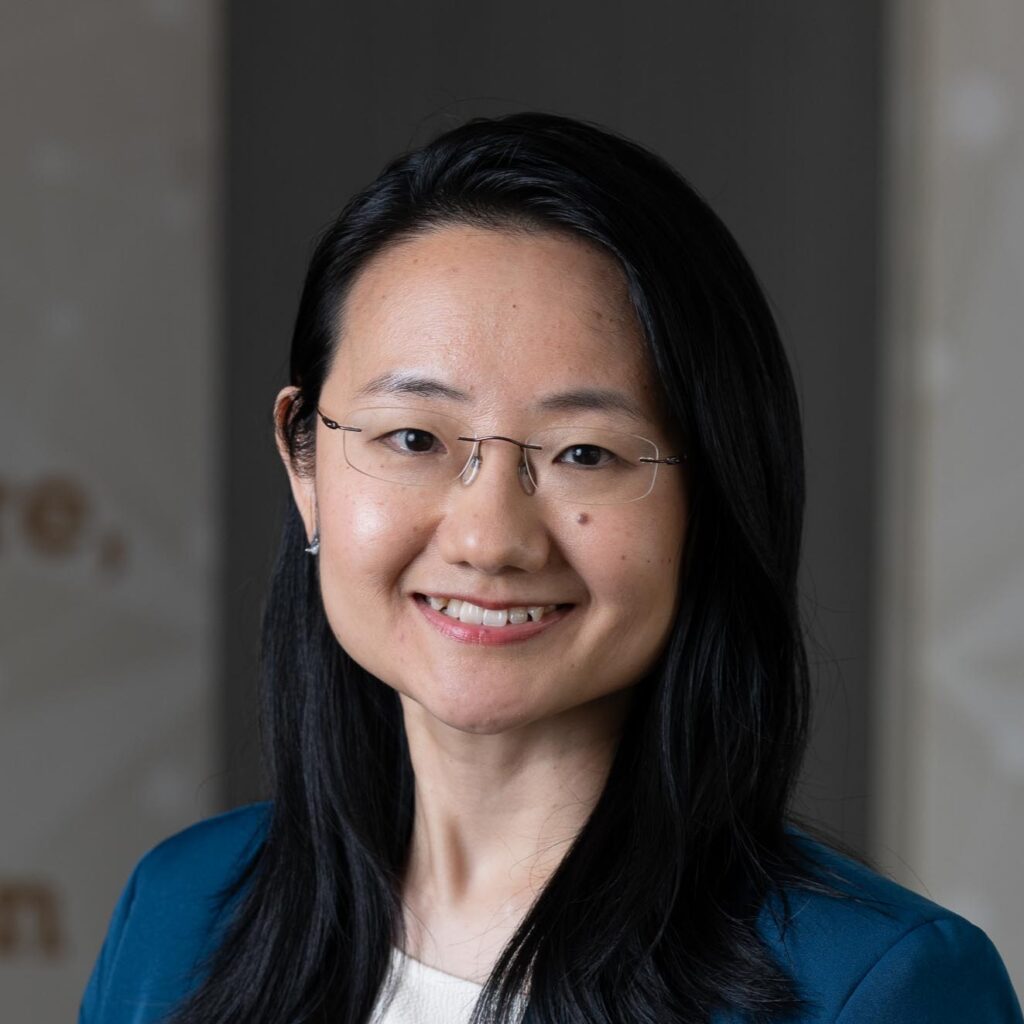
Director of the Cardiovascular Ageing and Longevity program at National Heart Centre Singapore; Clinician Scientist and Senior Consultant at NHCS. Leadership Council member at the American College of Cardiology (ACC) for Geriatric Cardiology; Past recipient of the emerging leader program and current Advisor at World Heart Federation.
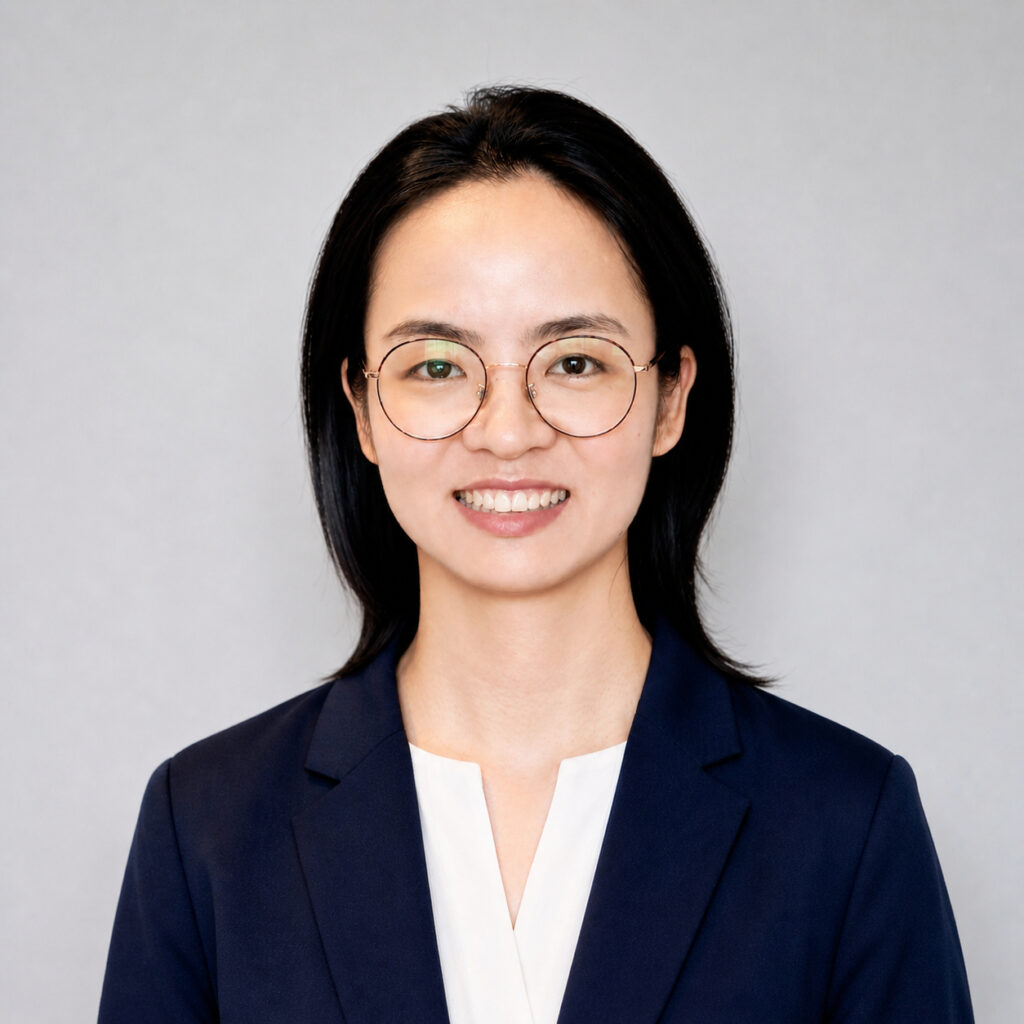
Dr. Lei Li is an Assistant Professor of National University of Singapore (NUS). Previously, she was a Lecturer at University of Southampton and a Postdoc at University of Oxford. She serves as President of Women in MICCAI (WiM) and Area Chair of MICCAI 2024-2026. She is also the Guest Associate Editor of IEEE Transactions on Medical Imaging (TMI) and Editorial Board Member of Information Fusion. Her research interest is AI for healthcare, specifically focusing on cardiac digital twins, medical imaging, and multi-modal AI.
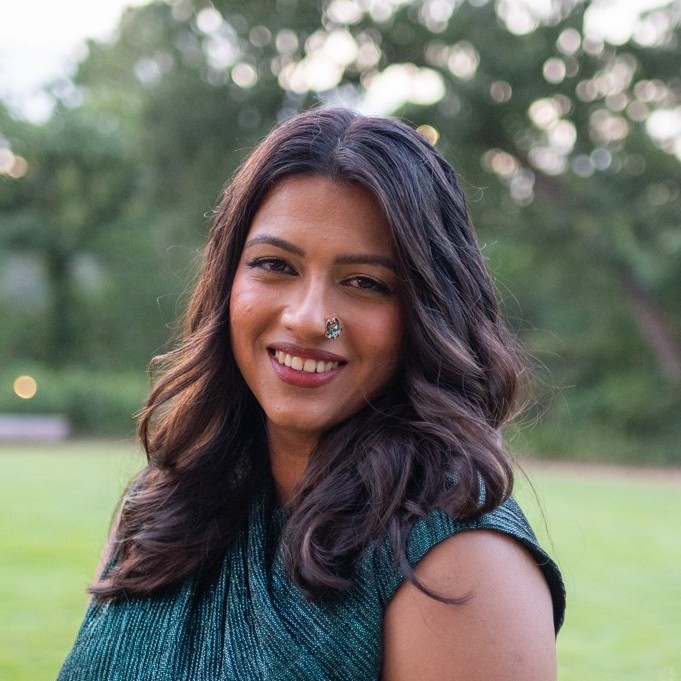
Dr. Tate is a global thought leader in healthcare innovation with three decades of experience translating novel technologies from concept and intellectual property protection through commercialisation. Her expertise has been sought by leading health and research organisations, including the FDA, NIH, and ARC, industry partners as diverse as Zeiss and Adidas World of Sports, as well as global university and innovation partners.
She has advised major strategy and translational panels in orthopaedics, musculoskeletal research, stem cell translation and medtech innovation, and has directed international conferences and symposia spanning discovery, diagnostics and their translation/commercialisation. Her work includes invited expert seminars for FDA and NIH leaders on multi-scale imaging, emergent behaviour and enabling technologies for medical translation. Dr. Tate has been recognised for pioneering geo-navigational approaches that used Google Maps API to map cellular networks in arthritic human hips, creating a first “Google Maps of the human body,” which she later used as a basis to create Microscopy-Aided Design and Manufactur(E) of tissues and smart materials. She has also co-founded startup companies, led a consulting practice and served as an expert witness in major medical litigation. Most recently, she founded an international, interdisciplinary innovation institute focused on translating synergistic technologies that address global challenges at the intersection of human and environmental health.
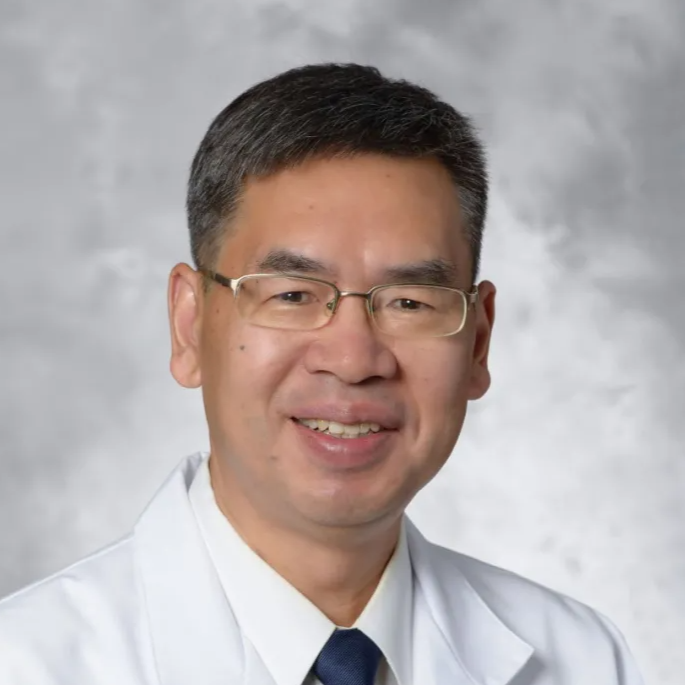
Zong-Ming Li, PhD, is currently the William and Sylvia Rubin Chair of Orthopedic Research and Professor of Orthopedic Surgery and Biomedical Engineering at the University of Arizona. With more than 35 years of research in musculoskeletal biomechanics, Dr. Li’s work has advanced scientific understanding and informed clinical applications that improve patient outcomes. Dr. Li is recognized as a Fellow of several science/engineering and medical organizations, including American Institute for Medical and Biological Engineering (AIMBE), American Society of Biomechanics (ASB), American Society of Mechanical Engineers (ASME), International Academy of Artificial Intelligence Sciences (AAIS), International Academy of Medical and Biological Engineering (IAMBE), International Combined Orthopaedic Research Societies (ICORS), International Society of Biomechanics (ISB), Institute of Electrical and Electronics Engineers (IEEE), and Orthopaedic Research Society (ORS). Dr. Li is the recipient of the ASME Savio L-Y. Woo Translational Biomechanics Medal.
Yu Jun Tan (National University of Singapore, NUS) is an Assistant Professor in the Department of Mechanical Engineering, where she is a PI at both the NUS Centre for Additive Manufacturing (AM.NUS) and the Advanced Robotics Centre (ARC).
Dr. Tan’s research integrates materials science, mechanics, and bioengineering to develop next-generation bio-derived, bioinspired and biohybrid materials for soft robotics and biomedical devices. Her group investigates the processing, deformation, and functional behaviors of soft materials (such as bio-based polymers, gels, and living tissues) with particular emphasis on self-healing, electro-mechanical behaviours, and large-deformation mechanics. By linking fundamental mechanics with sustainable design, her work advances the creation of adaptive, self-powered, and eco-responsible soft machines.
She has published over 40 peer-reviewed papers in top-tier journals, including Nature Materials, Nature Electronics, Nature Communications, Science Robotics, Science Advances, and Advanced Materials. Her publications have been featured on journal covers and highlighted in scientific media and documentaries.
Dr Yao Wang is a Snow Medical Postdoctoral Research Fellow in the School of Biomedical Engineering at the University of Sydney, where she co-leads the Mechanobiology and Biomechanics Laboratory with Prof. Arnold Ju. Her work lies at the intersection of mechanobiology and biomedical engineering, with a focus on cancer-associated thrombosis, blood cell biomechanics, and microvascular haemostasis.
She develops advanced microfluidic vascular models and quantitative biophysical technologies to uncover how mechanical forces regulate cellular behaviour in health and disease. Her studies have revealed new principles of mechanosensing, membrane tension regulation, calcium signalling, and cytoskeletal–membrane interactions, leading to publications in leading journals including Nature Communications, Current Biology, Advanced Materials, and Advanced Functional Materials.
Dr Wang has played a key role in establishing nationally unique mechanobiology and single-molecule biophysics infrastructure in Australia and has contributed to collaborative research programs that have attracted more than $7 million in funding. By integrating engineering innovation with fundamental biology, her work aims to translate mechanobiological discoveries into next-generation diagnostics and therapeutics for cardiovascular disease and cancer.
Raye Yeow received his PhD in Bioengineering (NUS) in 2010, and his post-doctoral training in BioRobotics (Harvard University) from 2010-2012. He is a Dean’s Chair Professor and Deputy Head (Outreach & Industry) with the Department of Biomedical Engineering and Advanced Robotics Center, NUS, and the President of the Biomedical Engineering Society (Singapore). He was the Program Lead for the Soft and Hybrid Robotics Program under the National Robotics Programme Office in Singapore. He was a Visiting Professor at Computer Science and Artificial Intelligence Laboratory, Massachusetts Institute of Technology in 2023. His research group specializes in soft robotics, with focus on fundamental mechanisms and building market-ready systems. He has published >200 journal and conference papers, with >40 research and innovation awards, and co-founded 6 soft robotics/AI startups that are translating his technologies into the healthcare, food assembly, logistics and maritime sectors.
Prof Teoh is the Director and Distinguished Senior Yelu/Changjiang Chair Professor, Center for Advanced Medical Engineering (CAME) at the College of Materials Science and Engineering, Hunan University, People’s Republic of China. He majored in Materials Engineering (B Eng with First Class Honors and PhD at Monash University in 1978 and 1982 respectively). He is a Fellow of the Institution of Engineers, Singapore.
Prof Teoh spent 30 yrs (1982-2012) at the National University of Singapore (NUS) and Co-Chaired the Graduate Program in BioEngineering (GPBE). He also Chaired the school of Chemical and Biomedical Engineering (SCBE) with a joint Professorship at the Lee Kong Chian School of Medicine (LKC Med) at Nanyang Technological University (NTU), from 2012-2021. He was awarded the prestigious NTU President’s Chair Award for Educational Leadership and for his outstanding research and entrepreneurship. He is also the Senior Mentor to the clinical scientists at the National Dental Centre of Singapore for the last 10 years.
Prof Teoh is a pioneer in 3D printing for implants. To date, his spin-off company, Osteopore International (IPO Australia ASX), has implanted more than 150,000 scaffolds worldwide. His pioneering work has earned him the prestigious “Golden Innovation Award” from the Far Eastern Economic Review (2004) and the “Notable Engineering Achievement Award” from the Institute of Engineers, Singapore. His team also received the “2018 Patent Excellence Award” from the Intellectual Property Office of Singapore. Currently, he is focusing on biomaterials, piezoelectric bone tissue engineering and regenerative medicine with research ranging from synthetic bones, blood vessels and skin, bioreactors, fish collagen, decellularized organs.